The Complete Guide to Use Grow Bags: Transform Your Gardening Experience
Looking for a better way to grow plants in containers? Grow bags are revolutionizing home gardening with their smart design and impressive results. Whether you’re a beginner or an experienced gardener, grow bags offer a flexible, effective solution for growing healthy plants anywhere.
What Are Grow Bags?
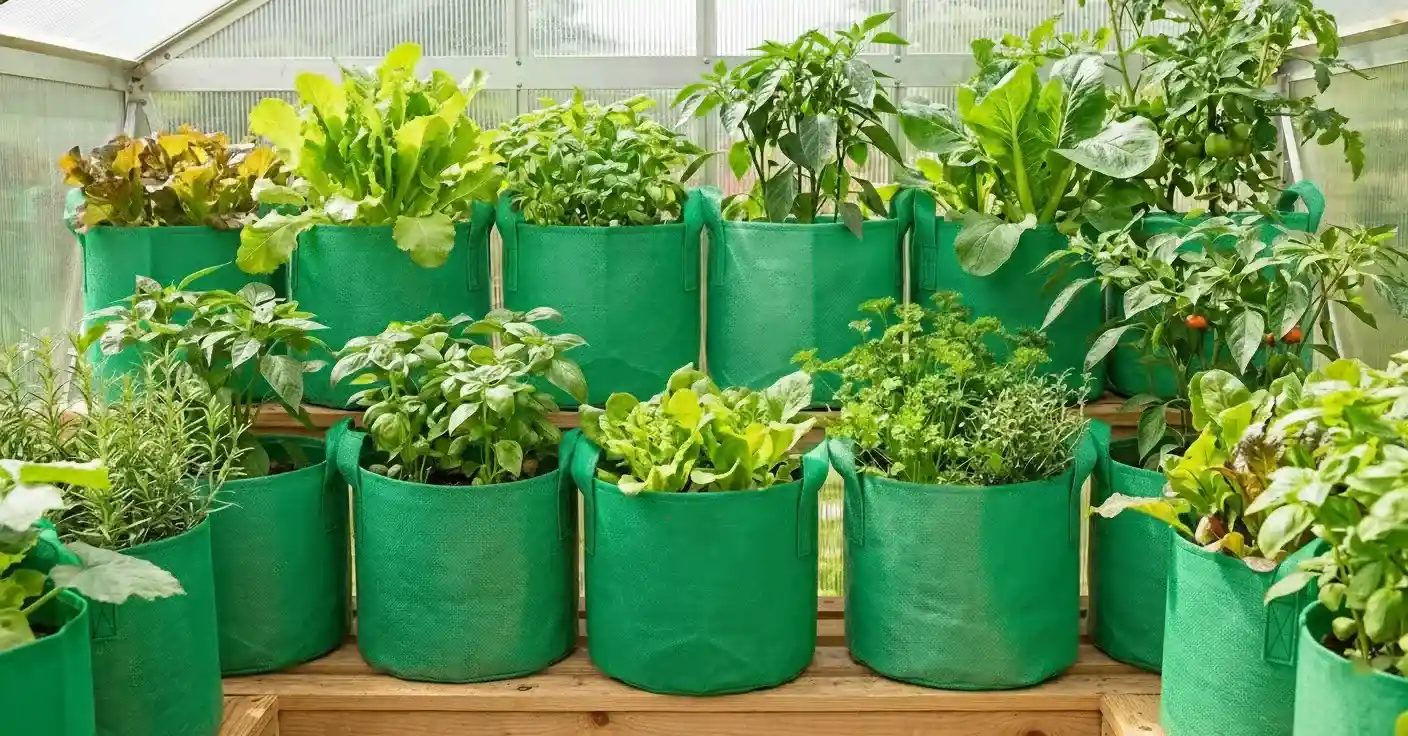
Grow bags are breathable fabric containers designed for growing plants. Made from porous materials like felt or geotextile fabric, they allow air and water to flow through the sides, creating an optimal environment for root development and plant health.
Key Benefits of Grow Bags
Better Root Development: Grow bags naturally “air prune” roots when they reach the fabric walls, promoting a denser, healthier root system instead of circling roots found in plastic pots.
Excellent Drainage: The breathable fabric prevents waterlogging and allows excess moisture to escape, reducing the risk of root rot.
Temperature Control: Unlike plastic pots that overheat, grow bags release excess heat and keep roots cooler during hot weather.
Portable and Space-Saving: Lightweight and easy to move, grow bags let you follow the sun or rearrange your garden. They fold flat when not in use.
Cost-Effective: Reusable for multiple seasons, grow bags offer great value and reduce plastic waste.
What Can You Grow?
Grow bags work for almost any plant:
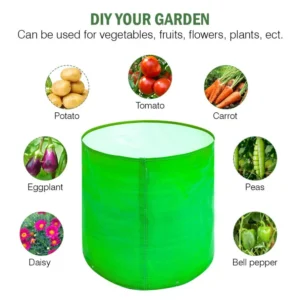
- Vegetables: Tomatoes, peppers, lettuce, carrots, potatoes, beans, cucumbers
- Herbs: Basil, mint, cilantro, parsley, thyme
- Fruits: Strawberries, blueberries, dwarf citrus
- Flowers: Annuals, perennials, and ornamental plants
Choosing the Right Size
 9 x 9 Inch Grow Bag
Perfect for herbs and leafy greens; ideal for compact balcony gardening.
12 x 12 Inch Grow Bag
A versatile all-purpose size for medium plants and decorative flowers.
12 x 15 Inch Grow Bag
Extra depth supports tomatoes, chilies, and other medium-root vegetables.
15 x 15 Inch Grow Bag
Great for single vegetable plants like tomato or brinjal with healthy root spread.
18 x 18 Inch Grow Bag
Large space for bigger vegetables or 2–3 small plants in one grow bag.
24 x 9 Inch Grow Bag
Long trough-style bag perfect for growing leafy veggies in a row.
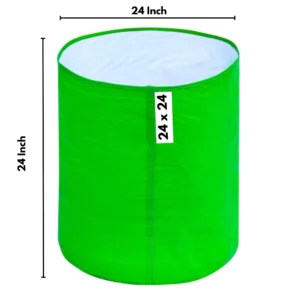
24 x 24 Inch Grow Bag
A big, wide grow bag that works like a mini raised bed for fruit plants or mixed vegetables.
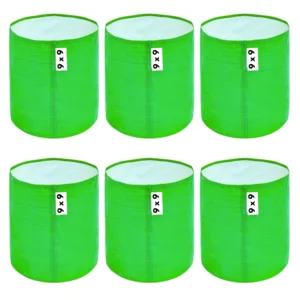
9 x 9 inch Grow Bags (Pack of 6) | Durable Grow Bags for Vegetables, Fruits & Flowers | UV Resistant & Eco-Friendly
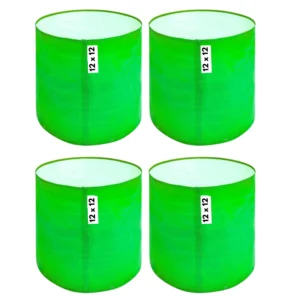
12 x 12 inch Grow Bags (Pack of 4) | Thick & Durable for Vegetable, Fruit & Flower Plants
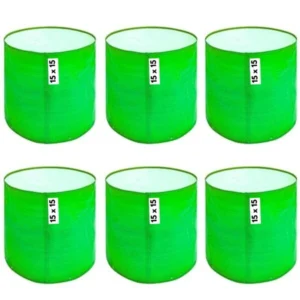
15 x 15 Inch Grow Bags (Pack of 6) | Thick & Durable Grow Bags for Vegetables, Fruits & Flowers | UV Resistant, Breathable, Eco-Friendly Gardening Bags
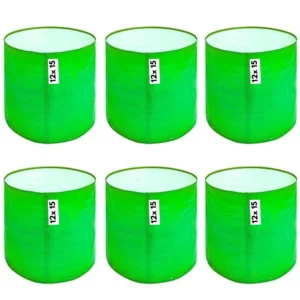
12x15 Inch Grow Bags (Pack of 6) | Thick & Durable Grow Bags for Vegetables, Fruits & Flowers | UV Resistant, Eco-Friendly, Reusable Gardening Bags
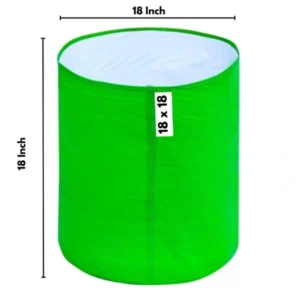
18 x 18 inch Grow Bags | Thick & Durable Grow Bag for Vegetables, Fruits & Flower Plants
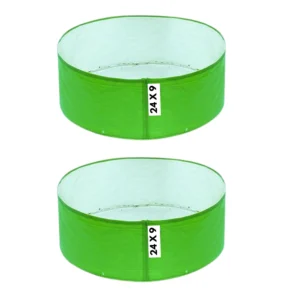
24 X 9 inch Grow Bags (Pack Of 2) | Thick & Durable Grow Bags for Vegetables, Fruits & Flower Plants